
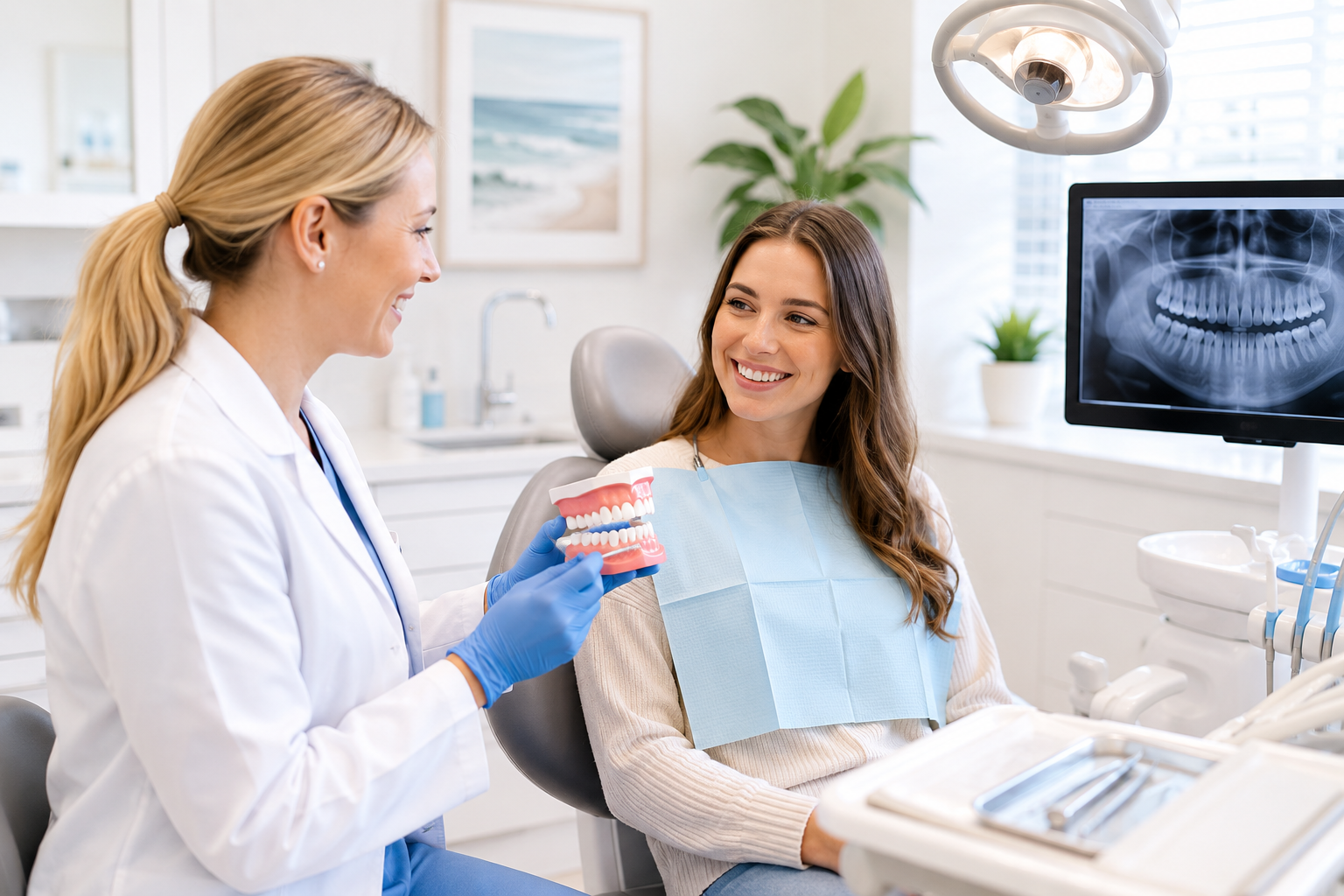
You can get same‑day care in Pleasanton for severe tooth pain, knocked-out teeth, swelling, and other urgent dental problems — call or visit an emergency dentist right away to protect your smile and avoid complications.
They explain what typically qualifies as a dental emergency, how to calm pain and manage bleeding at home, and what to expect during an urgent visit so you feel prepared when every minute counts.
Expect clear steps for finding local same‑day care, pain‑relief options, and simple prevention tips so you reduce the chance of repeat emergencies and know when to seek immediate help.
Navigating Dental Emergencies in Pleasanton
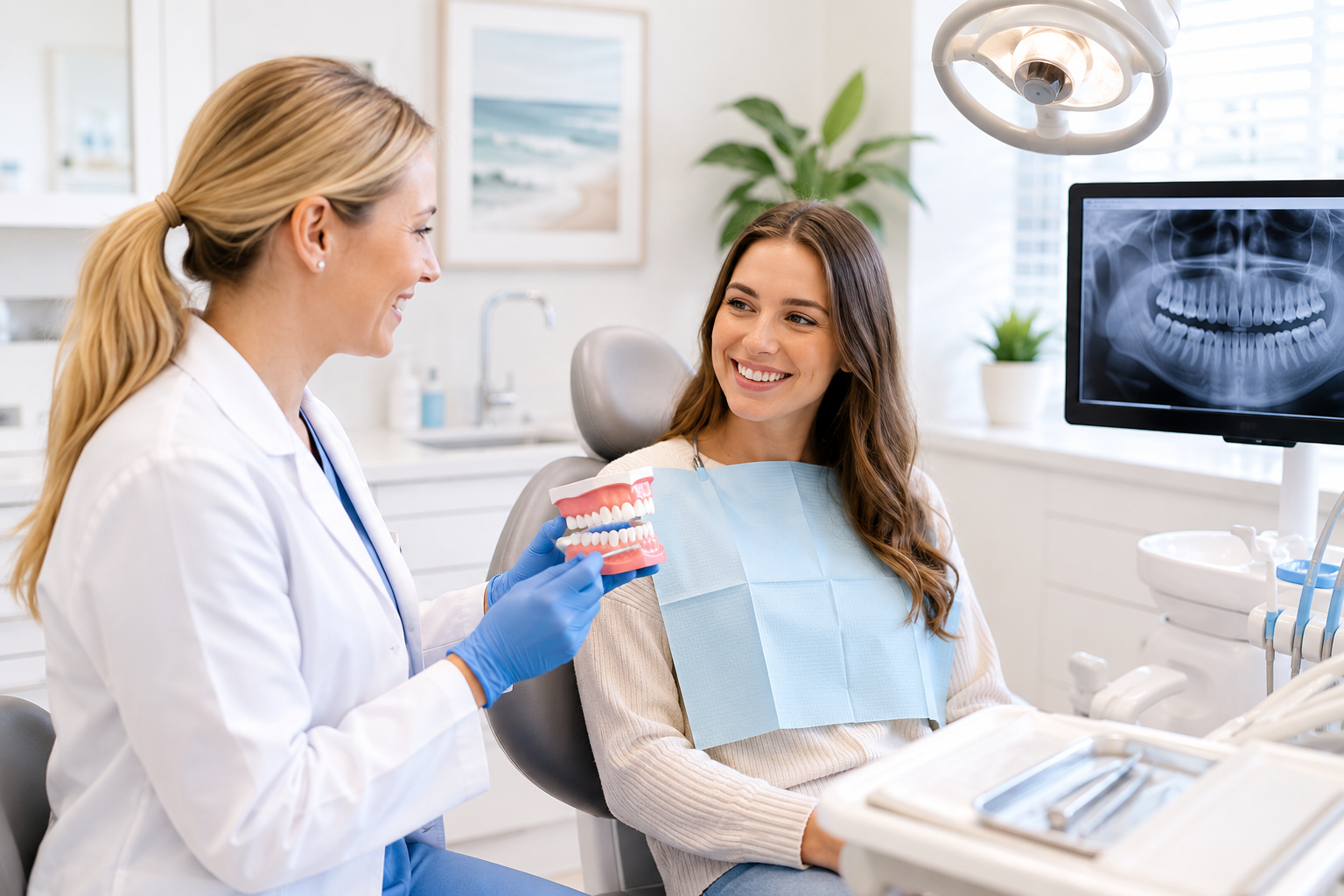
This section explains how to spot urgent dental problems, what to do immediately, and how an emergency dentist in Pleasanton can manage pain, preserve teeth, and prevent complications.
Recognizing the Signs of a Dental Emergency
Signs that require immediate care include uncontrolled bleeding, severe tooth pain that doesn’t respond to over-the-counter meds, a tooth that is completely knocked out, or a broken tooth with exposed nerve.
Swelling of the face or neck, fever combined with tooth pain, or difficulty breathing or swallowing also indicate a serious infection that needs prompt attention.
Less obvious but still urgent problems include a loose permanent tooth after trauma, persistent severe jaw pain or locking, and sudden, intense pain after a root canal.
If pain prevents sleep, eating, or speech, treat it as an emergency and seek care the same day.
Steps to Take Before You Arrive
If a tooth is knocked out, hold it by the crown, rinse gently with saline or milk, and try to reinsert it into the socket; if reinsertion isn’t possible, keep it moist in milk or saline and bring it with you.
For severe bleeding, apply firm pressure with sterile gauze or a clean cloth for 10–20 minutes while leaning forward to reduce swallowing blood.
For broken teeth without heavy bleeding, rinse with warm water and apply a cold pack to reduce swelling.
Save any tooth fragments in milk or saline and bring them to the dentist. Avoid using aspirin on the gums because it can worsen bleeding.
Bring a list of current medications, allergy information, and any recent dental X-rays if available.
Call the Pleasanton emergency dental office en route to confirm arrival procedures, estimated wait time, and whether they accept your insurance or require payment upfront.
How an Emergency Dentist Can Help
An emergency dentist assesses pain, infection, and structural damage, then prioritizes treatments to stop bleeding, control infection, and relieve pain.
Common immediate treatments include dental bonding for chipped teeth, temporary crowns, drainage of abscesses, and splinting for loose teeth.
When possible, dentists attempt to save a knocked-out tooth by reimplantation and stabilization.
If saving the tooth isn’t feasible, the dentist discusses options such as extraction followed by implant planning, bridges, or removable prostheses.
They also prescribe antibiotics for spreading infections and stronger analgesics for severe pain, and they arrange follow-up care like root canal therapy, definitive restorations, or referrals to an oral surgeon.
Patients receive clear aftercare instructions and a timeline for next steps to minimize complications and restore function.
Common Urgent Dental Issues
These situations often need quick assessment and treatment to relieve pain, preserve teeth, and prevent infection. Immediate steps and timely professional care make the biggest difference in outcome.
Severe Tooth Pain and Abscesses
Severe, throbbing tooth pain that wakes a person at night or pain that radiates to the jaw or ear often signals a deep infection or nerve involvement. An abscess presents as a swollen, tender area near the tooth, sometimes with pus drainage, fever, or swollen lymph nodes; these symptoms require prompt evaluation to avoid spread of infection.
Initial self-care includes rinsing with warm salt water, taking over-the-counter pain relievers as directed, and avoiding hot, cold, or sugary foods that increase sensitivity. A dentist typically performs an exam and X-rays, prescribes antibiotics if an infection is present, and recommends either root canal therapy to save the tooth or extraction if damage is irreparable. Follow-up care focuses on pain control, completion of antibiotic courses, and restoration to prevent recurrence.
Broken or Knocked-Out Teeth
A fractured tooth causes sharp pain, bleeding, or sensitivity, and may expose the inner pulp; a knocked-out tooth (avulsion) is a true emergency for potential reimplantation. Time matters: a tooth replanted within 30–60 minutes has the best chance of survival, though prompt care within a few hours can still succeed in some cases.
For a knocked-out adult tooth, handle by the crown only, rinse debris with saline or milk (do not scrub), and attempt to reinsert if comfortable; otherwise keep the tooth moist in milk or a tooth preservation kit. For fractures, save any broken pieces and avoid chewing on the side. The dentist will assess for splinting, root canal therapy, or crowns depending on damage, and will discuss long-term options like implants if the tooth cannot be saved.
Lost Fillings and Crowns
A lost filling or crown exposes dentin or the core buildup, causing sharp sensitivity, food trapping, and increased risk of decay. Immediate discomfort can often be managed at home, but a prompt dental visit prevents further structural damage and infection.
Temporary measures include covering exposed areas with dental cement from a pharmacy or dental wax, avoiding sticky or hard foods, and using fluoride toothpaste to reduce sensitivity. The dentist will evaluate whether a new filling, crown replacement, or onlay is appropriate. If decay or fracture under the old restoration exists, they will remove compromised material, restore the tooth, and recommend preventive steps to protect other restorations.
What to Expect During Your Visit
Patients will find a calm, efficient process focused on comfort, accurate diagnosis, and clear treatment choices. Front-desk intake, a focused exam, and a treatment plan with timelines and costs usually happen in one visit when possible.
Comfort-First Approach
The practice greets patients promptly and verifies medical history and current medications at check-in. Staff offers blankets, noise-canceling headphones, or a topical numbing gel before procedures to reduce stress and sensitivity.
A licensed clinician reviews pain level and vital signs to set priorities. They explain each step in plain language, including estimated procedure time and follow-up needs.
If anxiety is high, the clinic provides nitrous oxide or oral sedation after discussing risks and consent. All sedation options include monitoring and written post-op instructions so recovery is safe and predictable.
Diagnostic Tools and Techniques
Clinicians use a targeted oral exam to identify swelling, bleeding, fractures, or infection. Visual inspection is combined with digital X-rays to check for root involvement, bone loss, or hidden fractures.
The practice often uses intraoral cameras to show patients real-time images of the problem area. These images help explain why a procedure is needed and what healthy tissue should look like.
When infection is suspected, a percussion test, mobility check, and, if needed, a CBCT scan give a complete picture. Lab-culture or antibiotic sensitivity testing occurs only when signs point to resistant infection.
Treatment Options Tailored to Your Needs
For toothache from a cracked tooth or infected pulp, the clinic typically offers same-day root canal or extraction with local anesthesia. Dentists explain pros and cons, expected recovery times, and restoration options like crowns or implants.
For traumatic injuries, they stabilize loose teeth, perform splinting, or do crown repair depending on the damage. Antibiotics and short corticosteroid courses are prescribed when swelling or systemic signs appear.
Pain control and aftercare instructions are provided in writing, including recommended analgesics, oral rinses, diet restrictions, and emergency contact details. The team schedules follow-up appointments for definitive restoration or healing checks and coordinates referrals when specialty care is required.
Same-Day Dental Care in the Local Community
Patients can usually get prompt attention for tooth pain, broken teeth, or sudden swelling. Many practices offer flexible scheduling and extended hours so urgent issues don’t wait.
Responsive Appointment Scheduling
The clinic keeps a daily block of slots for same-day visits to handle urgent problems quickly. Patients calling before noon often receive appointments the same day; later callers are placed on a short-notice list and notified as openings occur.
Intake staff collect brief symptom details and insurance info to prioritize true emergencies like severe pain, uncontrolled bleeding, or facial swelling. Triage guides the team to assign the correct clinician and equipment, whether a general dentist, endodontist, or oral surgeon.
Fees and paperwork are streamlined for speed. Many offices accept major PPOs, provide clear self-pay estimates, and offer payment plans or CareCredit for unexpected costs.
After-Hours and Weekend Services
Several local practices rotate on-call coverage for nights and weekends so patients can reach a dentist outside regular hours. A single phone number or online portal connects callers to the on-call clinician who evaluates urgency and advises next steps.
After-hours care typically addresses pain control, infection management, and temporary restorations to stabilize the tooth until definitive treatment. Patients receive written aftercare instructions and, when needed, prescriptions electronically sent to nearby pharmacies.
Emergency visits after hours may carry different fees; offices make this clear up front. Transportation recommendations and nearby urgent-care partnerships are provided for cases requiring imaging or hospital referral.
Pain Relief and Anxiety Management
Patients receive rapid pain control and practical steps to reduce fear so they can get treated quickly and comfortably. The clinic prioritizes targeted numbing, short-term medications, and calming techniques tailored by age and medical history.
Gentle Procedures for All Ages
The team uses topical anesthetic gel before injections to reduce the initial sting for children and adults. For local anesthesia, dentists choose agents with quick onset and adjust dose by weight and health status; they explain expected numbness time so caregivers know when eating is safe.
For swollen, infected teeth, clinicians may prescribe antibiotics and a short course of oral pain relievers while arranging same-day or next-day definitive care. Treatments such as pulpotomy for kids or tooth-sparing root canal therapy for adults focus on preserving structure with minimal discomfort.
The office offers soft-tissue laser therapy for minor gum procedures to cut bleeding and reduce post-op pain. They provide written aftercare instructions and a follow-up call to check pain levels and modify medications if needed.
Options for Sedation and Comfort
Nitrous oxide (laughing gas) provides light sedation and wears off within minutes; it suits anxious adults and cooperative children. For moderate anxiety or longer procedures, oral sedatives (e.g., short-acting benzodiazepines) are prescribed with pre-screening for medications and medical conditions.
IV sedation and monitored deep sedation are available for patients with severe dental phobia or complex extractions; these require medical clearance and an escort home. The clinic uses pulse oximetry and trained staff for continuous monitoring during sedation.
Non-pharmacologic comforts include blankets, noise-cancelling headphones, and a calm treatment room to reduce sensory triggers. Dentists review risks and benefits, obtain informed consent, and give clear post-sedation recovery instructions so patients and caregivers know what to expect.
Preventing Future Dental Emergencies
Preventing emergencies means daily habits and practical safeguards that reduce risk and protect restorations. Small, consistent actions—like proper brushing and using a mouthguard—cut the chances of sudden pain, fractures, and tooth loss.
Tips for Everyday Oral Health
Brush twice daily with a soft-bristled brush and fluoride toothpaste for two minutes each time. Floss or use interdental brushes once a day to remove plaque between teeth where cavities commonly start.
Use an antiseptic mouthwash if recommended by a dentist to control bacteria in hard-to-reach areas.
Schedule dental checkups every six months or as advised; early detection of cracks, decay, or failing restorations prevents escalation. Replace old fillings that show wear, and address persistent sensitivity promptly.
Avoid hard foods like ice, unpopped popcorn kernels, and biting fingernails. Limit acidic drinks (soda, sports drinks) and sip water after consumption to reduce enamel erosion.
For patients with bruxism, a custom nightguard from a dentist protects teeth and restorations more effectively than over-the-counter models.
Protecting Teeth During Sports
Wear a properly fitted mouthguard for any contact or high-impact sport—custom dental mouthguards offer the best fit and protection. Over-the-counter guards provide some protection but often fit poorly and can increase injury risk if they don’t stay in place.
Ensure helmets and face shields fit correctly; a loose helmet allows more force to the jaw and teeth during impact. Teach children proper techniques and awareness to reduce collisions and falls.
If a tooth is knocked out, place it in milk or the patient’s saliva and seek immediate dental care—replantation attempts are most successful within an hour. Keep an emergency kit with a mouthguard, dental wax, and contact numbers for the local emergency dentist in Pleasanton, CA to streamline care after an injury.
Choosing the Right Dental Expert in Pleasanton
They should look for a dentist who offers clear emergency availability and quick response times. Prompt access reduces pain and prevents complications, so confirmed after-hours or same-day appointment options matter.
Patients should prioritize credentials and local reputation. Check for state licensure, emergency training, and patient reviews; a dentist with good reviews and transparent policies likely provides reliable care.
Comfort and communication matter as much as technical skill. A practice that explains treatment options in plain language and discusses pain management helps anxious patients feel safer.
Modern equipment and a range of services improve outcomes. Digital X-rays, sedation options, and in-house restorations shorten treatment time and lower the need for multiple visits.
Cost transparency prevents surprises during stressful visits. Look for clear estimates, insurance acceptance, and flexible payment plans to make emergency care doable.
Quick checklist:
- Emergency hours and same-day availability
- Valid licensure and emergency training
- Positive patient reviews and clear communication
- Modern diagnostic and treatment tools
- Transparent pricing and payment options
They should call or visit the practice website to confirm these points and ask questions about specific emergency protocols. Encouraging contact helps patients get timely, comfortable care when they need it most.
Staying Informed: When to Seek Immediate Help
Patients should act quickly when pain is severe, sudden, or accompanied by swelling that affects breathing or swallowing. These signs can indicate an infection or a spreading abscess that needs prompt attention.
Visible trauma — such as a knocked-out tooth, a broken crown, or a tooth fractured to the gum line — requires immediate evaluation. Quick action can sometimes save the tooth or reduce the need for more complex treatment later.
Uncontrolled bleeding after a dental procedure or injury is a red flag. If bleeding soaks through gauze within 20–30 minutes, they should contact an emergency dentist or go to urgent care.
Fever plus oral pain often points to infection. They should seek care the same day if the fever is higher than 101°F (38.3°C) or if swelling is increasing.
Sudden changes in bite or difficulty closing the mouth can signal a jaw injury or dislocation. Prompt clinical assessment prevents long-term joint or bite problems.
Use this quick checklist to decide whether to seek immediate help:
- Severe, worsening pain interfering with sleep or daily activities
- Swelling that changes facial shape or causes trouble breathing/swallowing
- Knocked-out tooth or major dental trauma
- Persistent bleeding after 20–30 minutes of pressure
- Fever with increasing oral pain or swelling
If in doubt, contacting a local Pleasanton emergency dental clinic for guidance reduces risk and provides reassurance. They can advise whether to come in immediately or manage symptoms until an appointment is available.
Next Steps: How to Connect With a Dentist You Can Trust
They should start by calling or visiting clinic websites to check after-hours availability and emergency protocols. Many Pleasanton practices list same-day slots, triage steps, and fees online, which helps compare options quickly.
Look for clear credentials and reviews. Verify that the dentist is licensed in California and read several recent patient reviews for patterns about pain control, wait times, and follow-up care.
Use a short checklist when contacting offices:
- Ask about emergency hours and estimated wait time.
- Confirm whether the practice accepts your insurance or offers a payment plan.
- Inquire about sedation options and comfort measures for anxious patients.
Bring a concise medical and dental history to the appointment. Mention allergies, medications, and previous dental work; this helps the team avoid delays and choose appropriate treatment immediately.
Consider proximity and continuity of care. A nearby clinic that offers both emergency and routine care reduces follow-up hassles and helps maintain long-term oral health.
If uncertain after the call, they can request a brief telehealth consult. Many dentists offer video or phone triage to determine whether to come in now or schedule a next-day visit.
Encourage them to ask questions about pain management, expected procedures, and recovery time. A trusted dentist explains choices plainly, prioritizes comfort, and outlines practical next steps for treatment and prevention.
Frequently Asked Questions
This section answers common urgent dental concerns with practical steps, quick home-care measures, and what to expect during an immediate visit. It covers pain control, infection treatment, handling injuries, and prevention tips specific to Pleasanton, CA patients.
What counts as a true dental emergency, and when should I be seen right away?
A true dental emergency involves severe, uncontrolled bleeding; intense pain that prevents sleeping or eating; a facial swelling that affects breathing or swallowing; or a tooth knocked completely out. Visible bone fractures to the jaw, fever with oral swelling, and traumatic injuries to the mouth also require same-day attention.
Less urgent but still prompt care includes a lost filling or crown that causes sharp edges or functional problems, and increasing pain from a tooth that started mildly but worsens over 24–48 hours. If in doubt, contact a local emergency dentist for triage.
How can I manage tooth pain or swelling safely at home until I’m seen?
Start with over-the-counter ibuprofen (adults: 200–400 mg every 4–6 hours as needed) unless contraindicated; alternate with acetaminophen if needed and follow package instructions. Apply a cold compress on the cheek for 10–15 minutes to reduce swelling and numb pain.
Rinse gently with warm salt water (1/2 teaspoon salt in 8 ounces of water) several times a day to clean the area. Avoid placing aspirin directly on the gums or tooth and do not use household remedies like vodka or hydrogen peroxide at full strength.
Will an emergency room treat an infected tooth, or do I still need a dentist?
Emergency rooms can treat severe dental infections that threaten airway, breathing, or life, and they may prescribe IV or oral antibiotics and pain meds. They typically do not provide definitive dental care like root canals, extractions, or tooth repairs.
After ER stabilization, a follow-up with an emergency dentist or the patient’s general dentist is necessary for definitive treatment within 24–72 hours, depending on severity.
If a tooth is chipped, cracked, or knocked out, what should I do in the first 30 minutes?
For a knocked-out permanent tooth, pick it up by the crown, rinse gently without scrubbing, and attempt to reinsert it into the socket if possible. If reinsertion is not possible, place the tooth in milk or a tooth-preservation solution and seek emergency dental care within 30–60 minutes for the best chance of saving it.
For chipped or cracked teeth, rinse the mouth, collect any broken pieces, and apply a cold compress to reduce swelling. Avoid chewing on the injured side and see an emergency dentist promptly to assess the need for bonding, crowns, or root canal therapy.
What should I expect during an urgent dental visit, and how do dentists keep you comfortable?
An emergency dental visit starts with a focused exam, medical history review, and targeted X-rays to identify fractures, infection, or bone issues. The dentist will prioritize pain control, which may include local anesthesia, short-acting sedatives, or nitrous oxide when appropriate.
Treatment options range from temporary stabilization (pulp-capping, sedative dressings) to definitive care (extraction, root canal, crown), and staff will explain risks and next steps. Clinics in Pleasanton often offer same-day appointments and discuss payment or insurance options up front.
How can I prevent dental emergencies in the future, and what warning signs shouldn’t be ignored?
Preventive steps include wearing a custom or boil-and-bite mouthguard during sports, keeping up with twice-yearly dental exams and cleanings, and addressing cavities or loose restorations before they worsen. Maintain good at-home hygiene—floss daily and limit hard-chewing habits like ice or nutshells.
Seek prompt care for persistent tooth sensitivity that wakes you at night, progressive swelling, loosening teeth, or any new bite changes. Early treatment often avoids more extensive emergency procedures later.
If questions remain or a same-day appointment is needed, contact a local Pleasanton emergency dentist for guidance and scheduling.