
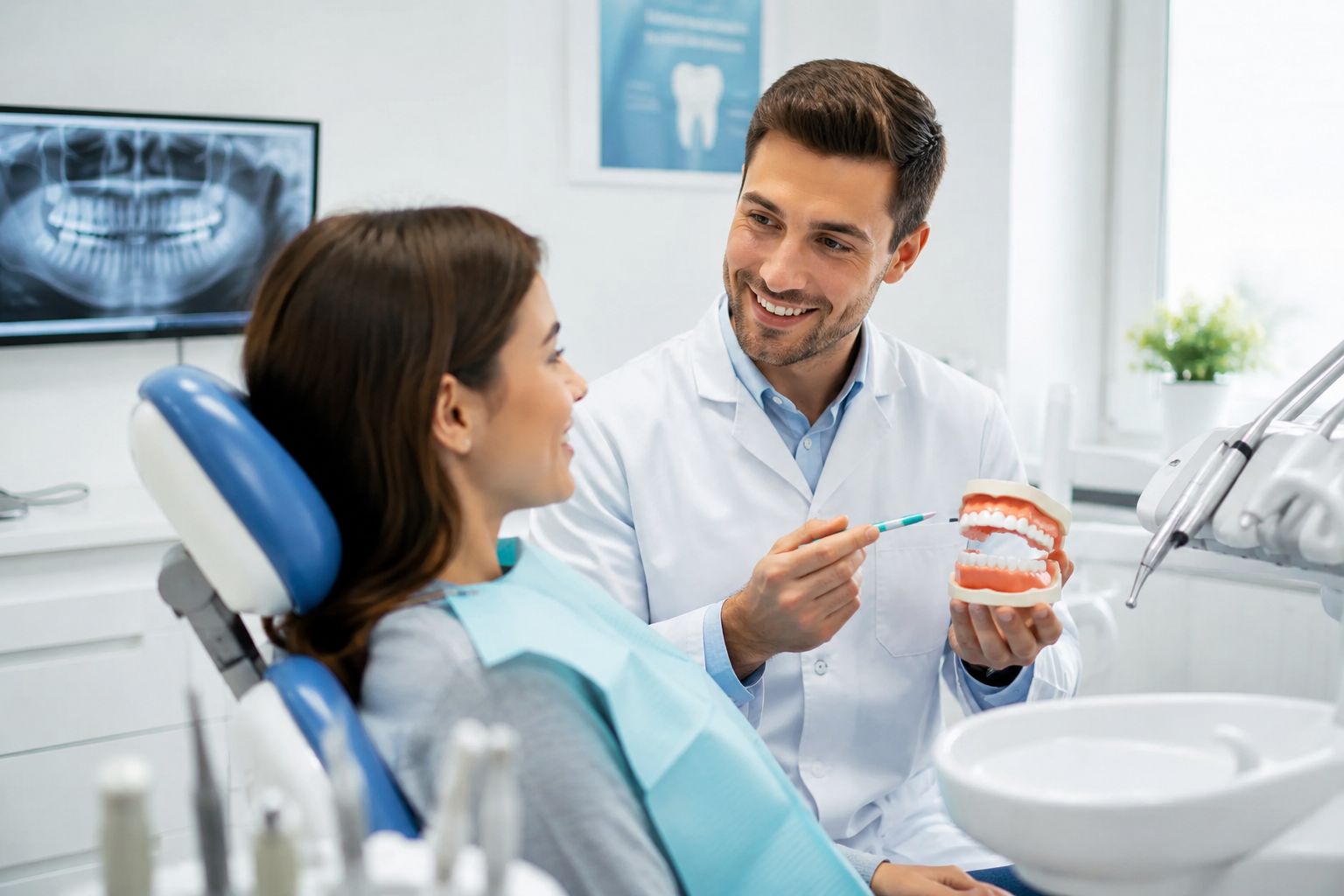
You’ll find safe, effective teeth whitening options in Pleasanton that fit your smile goals and lifestyle. A local dentist can assess why your teeth darken and recommend in-office or take-home treatments that deliver noticeable whitening with expert supervision.
They explain common causes like staining from food, aging, or medications and match treatment intensity to your needs while prioritizing comfort. Expect a clear plan, modern techniques, and tips to maintain results so your brighter smile lasts longer.
Understanding Tooth Discoloration
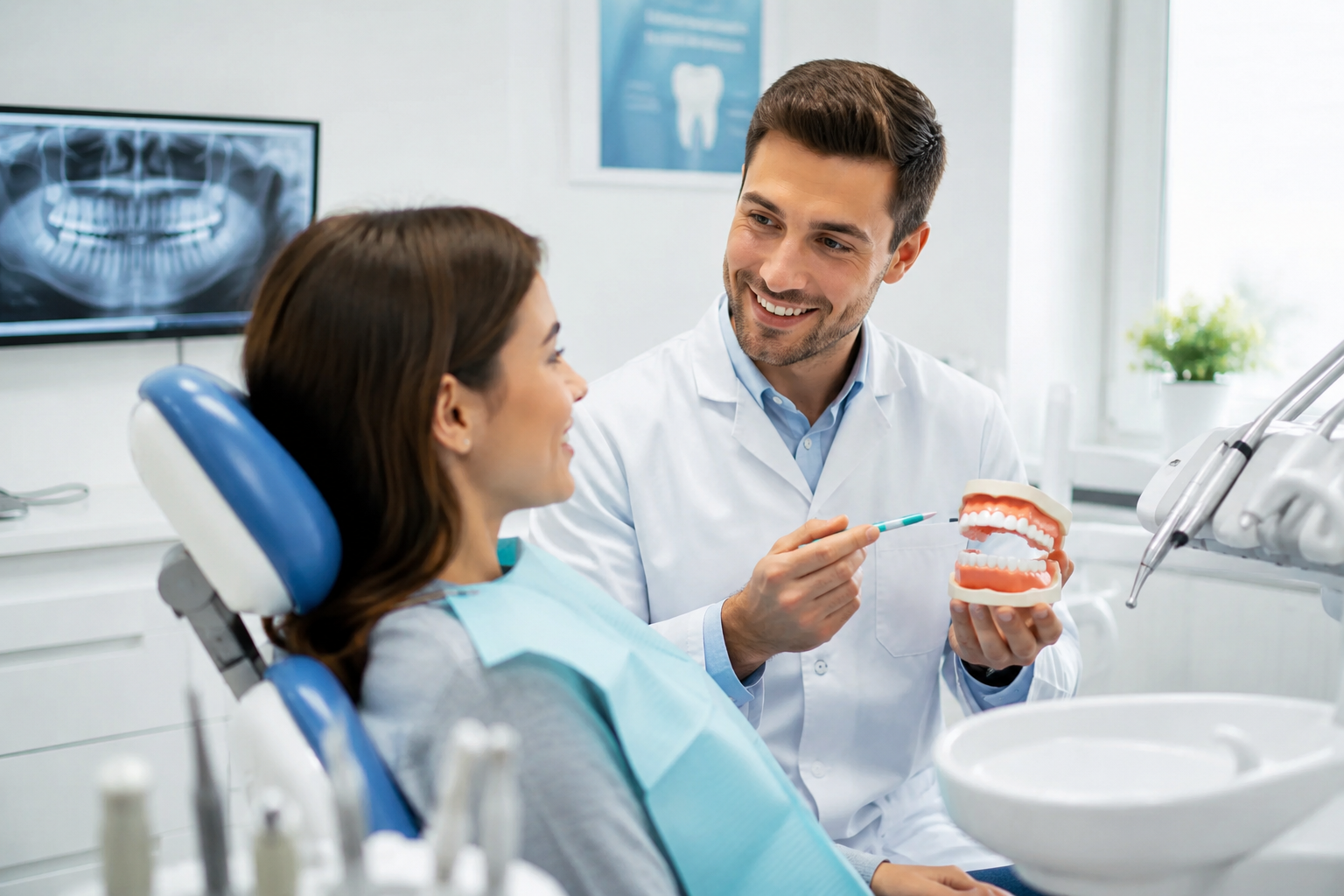
Tooth color changes from a mix of external staining, internal changes in the tooth structure, and daily habits that expose enamel to pigments and acids. Recognizing the specific cause helps choose the right whitening option and avoid surprises during treatment.
Common Causes of Stains
Extrinsic stains form on the enamel surface and come from foods and beverages such as coffee, black tea, red wine, and dark sodas. Tobacco use—both smoking and chewing—also deposits tar and nicotine that darken enamel over time.
Oral hygiene affects stain buildup. Infrequent brushing, missed flossing, and plaque accumulation let pigments adhere and deepen. Professional cleanings remove many surface stains; persistent discoloration often needs whitening treatments.
Certain medications and medical treatments cause intrinsic staining. Tetracycline antibiotics taken in childhood, some antihistamines, and chemotherapy can darken dentin beneath the enamel. Dental trauma that disrupts blood flow to a tooth can also cause internal darkening.
Types of Tooth Discoloration
Extrinsic discoloration appears as yellowing or brown/black surface spots on enamel and often responds well to prophylaxis and bleaching. These stains usually result from diet, smoking, and poor hygiene.
Intrinsic discoloration originates inside the tooth—within dentin or enamel layers—and may look gray, blue, or dark yellow. Causes include childhood antibiotic exposure, dental trauma, fluorosis, or root-canal-treated teeth. These stains tend to be more resistant to over-the-counter whitening.
Age-related discoloration combines enamel wear and dentin darkening. As enamel thins with age, the naturally yellower dentin shows through more. Professional whitening and restorations like veneers or crowns address this multifactorial change more predictably than home kits.
How Daily Habits Affect Tooth Color
Dietary choices drive most daily staining. Drinking coffee or tea multiple times a day, sipping red wine at night, or enjoying dark-colored sauces and berries stains enamel gradually. Using a straw and rinsing with water after colored drinks reduces exposure.
Oral hygiene routines matter. Brushing twice daily with a soft-bristle brush, flossing nightly, and using an ADA-approved fluoride toothpaste help limit surface stain accumulation. Professional cleanings every six months remove tartar and surface pigments that at-home care misses.
Lifestyle factors like smoking and vaping accelerate discoloration. Tobacco tar and nicotine chemically adhere to enamel and resist simple brushing. Stressing preventive steps—quit support, regular cleanings, and targeted whitening—improves long-term color and overall oral health.
Professional Whitening Solutions
Patients can choose between quick, dentist-administered treatments and supervised take-home systems that balance convenience with strength. Costs, sensitivity management, and expected shade improvement vary by method, so consider lifestyle, budget, and dental history when deciding.
Chairside Treatments
In-office whitening uses concentrated hydrogen peroxide (typically 25–40%) applied by a dental professional for rapid results. A protective dam shields gums while the gel is activated for 15–20 minute cycles, often repeated during a one- to two-hour appointment.
Many practices offer light or laser activation, though research shows mixed added benefit; the main advantage is speed and clinical oversight. Dentists can manage sensitivity immediately with topical desensitizers or a short prescription if needed.
Typical outcomes: 4–8 shade improvements in a single visit for extrinsic stains from coffee, tea, or tobacco. Patients with restorations should plan for matching after whitening because crowns and fillings do not bleach.
Difference Between In-Office and At-Home Options
In-office: strongest peroxide concentrations, single-visit results, professional isolation of soft tissues, higher cost ($400–$1,200). Ideal for fast change, special-event timing, or when chairside control of sensitivity is needed.
Dentist-supervised at-home kits: lower peroxide (10–22%), custom-fitted trays, daily wear for 1–2 weeks. They deliver gradual whitening with less risk of intense sensitivity and cost typically between $150–$400. Patients appreciate wearing trays at night and adjusting duration for comfort.
Over-the-counter products: strips and trays use much lower peroxide and show modest results over weeks. They suit budget-conscious users but lack personalization and professional monitoring. Dentists recommend supervised options for predictable, safe outcomes.
Expected Results and Timeline
Immediate: in-office treatments can show noticeable lightening within a single appointment. Many patients see peak whiteness after 24–48 hours as teeth rehydrate and post-treatment shade stabilizes.
Short-term: custom at-home trays produce progressive change over 7–14 days, with maintenance applications every few months as needed. Sensitivity usually peaks during treatment and subsides within 48–72 hours when managed with desensitizing toothpaste or topical fluoride.
Long-term: results depend on diet and habits. Coffee, red wine, and smoking shorten duration; touch-up whitening every 6–12 months preserves shade. Restorations placed after whitening ensure color match and more predictable cosmetic outcomes.
Personalized Care in Pleasanton
Patients receive individualized attention that matches their dental history, sensitivity levels, and cosmetic goals. The section explains how clinicians select between in-office and at-home options and how they tailor treatments to tooth shade, restorations, and gum health.
Choosing the Right Whitening Approach
The dental team starts with a focused exam: charting restorations, measuring gingival health, and recording baseline tooth shade with a shade guide. If a patient has composite fillings, crowns, or veneers, the clinician explains that whitening will not change those materials’ color and discusses options like replacing restorations or using conservative bonding for a uniform appearance.
Sensitivity history steers decisions. For patients with frequent dentin hypersensitivity, practitioners recommend desensitizing pastes, lower-concentration at-home gels, or gradual in-office protocols rather than high-intensity single visits. For smokers or heavy coffee drinkers, providers propose a combined strategy—an in-office boost to remove deep stains followed by custom take-home trays to maintain results.
Costs, timeline, and expected shade improvement get spelled out in writing. The dentist compares realistic shade goals (e.g., two–four shades lighter), estimated treatment duration, and aftercare steps so patients can choose the approach that fits their lifestyle and budget.
Customized Treatment for Your Smile
Clinicians design whitening around each patient’s smile architecture and oral health status. They map tooth shape, alignment, and any visible restorations, then recommend whitening only on natural enamel or provide a plan to address mismatched restorations for consistent results.
A custom tray fitting session captures precise impressions to fabricate soft, well-sealed trays that limit gel contact with gums. The lab or in-office team labels trays for upper and lower arches and provides gel dosing instructions to prevent overuse and reduce sensitivity risk.
Progress evaluations occur at scheduled follow-ups. The dentist measures shade changes, assesses tissue response, and adjusts concentration or wearing time as needed. They also give concrete maintenance tips—recommended toothpaste, avoidance timelines for staining foods, and when to consider touch-up trays—so results last longer with minimal discomfort.
Safety and Comfort Considerations
Patients should expect clear guidance on sensitivity, age limits, and how crowns or fillings affect whitening. The following points explain how clinicians minimize discomfort, assess suitability, and adjust treatment around existing dental work.
Managing Sensitivity
Sensitivity often appears as short, sharp reactions to hot, cold, or air after whitening. Dentists in Pleasanton commonly use lower-concentration gels, desensitizing agents like potassium nitrate, or modify exposure time to reduce pain.
Pre-treatment steps help. A thorough exam identifies gum recession or enamel wear that increases sensitivity risk. Providers may recommend fluoride varnish or prescribe potassium nitrate toothpaste to use two weeks before whitening.
During treatment, protective barriers and careful tray fit limit gum exposure to peroxide. For in-office procedures, clinicians often apply topical desensitizers between light-activated sessions. If sensitivity arises, they pause treatment and resume at a gentler setting.
Aftercare focuses on short-term relief and prevention. Patients should avoid very hot or cold foods for 48–72 hours and use desensitizing toothpaste daily for up to four weeks. If intense or lasting pain occurs, they should contact their dentist for evaluation.
Is Whitening Safe for All Ages?
Whitening suitability depends on dental development and individual oral health, not strictly age. Most clinicians advise delaying bleaching until enamel and gums mature, typically after age 16 to 18, because younger teeth may react unpredictably.
For adolescents, dentists assess cavities, orthodontic appliances, and enamel condition before recommending whitening. Over-the-counter products are discouraged for teens without professional evaluation due to higher sensitivity and uneven results from braces or bonding.
Older adults face different concerns: exposed root surfaces, restorations, and thinner enamel can influence safety and outcomes. A dental exam identifies whether whitening will help or if alternative options—like veneers or replacement restorations—would be more appropriate.
Pregnant or breastfeeding patients are usually advised to postpone elective whitening. Evidence on peroxide exposure during pregnancy remains limited, so many practitioners recommend waiting until after delivery to avoid any risk.
Guidance for Patients with Dental Work
Existing restorations—crowns, veneers, fillings—do not whiten with peroxide-based agents. Dentists review each restoration before treatment to set realistic expectations about final shade matching.
A common approach schedules whitening first, then replaces or adjusts restorations to match the new tooth color. This sequence helps avoid repeated restoration replacement and achieves a more consistent smile.
For patients with many restorations, clinicians may recommend internal bleaching for non-vital teeth, selective whitening, or restorative alternatives such as composite bonding or porcelain veneers. Each option balances aesthetics, tooth structure preservation, and cost.
Clear communication matters. Dentists document current restorations, explain which areas will not change, and provide written estimates for any replacement work needed after whitening.
Long-Term Whitening Success
Keeping teeth bright after treatment depends on practical daily habits and routine care. Small changes—consistent oral hygiene, occasional touch-ups, and mindful eating—deliver the biggest, longest-lasting results.
Tips to Prolong Your Brighter Smile
Patients should brush twice daily with a non-abrasive fluoride toothpaste and floss once a day to remove surface stains before they set. Using an electric toothbrush for two minutes improves plaque removal, which helps preserve whiteness.
A professional cleaning every 6 months prevents buildup that dulls results; some patients may benefit from 3- or 4-month cleanings if they smoke or consume staining substances regularly.
Use at-home whitening trays or touch-up kits provided by the dentist every 6–12 months or as recommended. Those kits typically contain lower-concentration peroxide safe for periodic maintenance.
Avoid abrasive whitening toothpastes and over-the-counter strips used excessively; they can increase sensitivity and uneven color. For sensitivity, switch to a desensitizing toothpaste and consult the dentist about adjusting maintenance frequency.
Foods and Drinks to Enjoy or Avoid
Favor low-staining choices: water, milk, plain yogurt, chicken, white fish, cauliflower, and rice help maintain brightness. Crunchy fruits and vegetables like apples and carrots act as natural stain removers by mechanically scrubbing teeth while chewing.
Limit or modify intake of high-stain beverages: coffee, black tea, red wine, cola, and dark fruit juices cause gradual discoloration. When consuming them, patients should sip through a straw when practical and rinse with water afterward.
Avoid or reduce foods with strong colorants—beets, tomato sauce, soy sauce, and curries—especially immediately after whitening when enamel is more prone to uptake. Acidic foods and drinks (citrus, soda, wine) soften enamel; wait 30–60 minutes after consuming them before brushing.
For occasional indulgences, following the item with water, chewing sugar-free gum, or brushing soon after (when safe) minimizes staining risk.
What to Expect at Your Appointment
Patients are greeted and asked about medical history and whitening goals. The team reviews sensitivity, previous dental work, and any questions to tailor the plan.
A quick exam follows to check teeth and gums. This ensures whitening is safe and effective; any existing issues are addressed first.
Cleaning may be performed to remove surface stains and plaque. Clean teeth allow whitening gel to penetrate more evenly for better results.
The dentist applies a protective barrier to gums and soft tissues. Then they place the whitening gel on teeth and activate it with a light or let it sit, depending on the chosen system.
Treatments usually run 30–90 minutes in the chair. Patients can relax, read, or listen to music while the whitening works.
Temporary sensitivity is common and usually mild. The clinic provides desensitizing gel or advice on short-term pain relief if needed.
Aftercare instructions cover avoiding staining foods and using recommended toothpaste. Patients receive a take-home kit or touch-up plan when appropriate.
Common questions are answered before leaving, and follow-up options are discussed. They encourage scheduling a consultation for personalized advice or if any concerns arise.
Beyond Whitening: Healthy Smile Habits
Maintaining a bright smile in Pleasanton CA means more than occasional whitening treatments. Regular oral care protects enamel, reduces sensitivity, and keeps gums healthy.
Brush twice daily with a soft-bristled brush and fluoride toothpaste. Gentle circular strokes help remove plaque without wearing enamel; floss once a day to clean between teeth where brushes can’t reach.
Limit staining foods and drinks like coffee, red wine, and strongly colored sauces. When consuming them, rinse with water afterward or use a straw for beverages to reduce contact with front teeth.
Schedule professional cleanings and exams every six months or as the dentist recommends. Professional care removes tartar and catches issues early, which helps whitening results last longer.
Consider touch-up whitening only after consulting a dentist. Overuse of at-home products can increase sensitivity; a clinician can suggest gentle protocols tailored to each patient’s needs.
Adopt lifestyle habits that support oral health: quit smoking, manage dry mouth, and eat calcium-rich foods for strong teeth. These small changes protect both appearance and overall dental health.
If sensitivity or gum irritation appears after whitening, seek dental advice promptly. A dental professional can adjust treatments, recommend desensitizing products, and ensure long-term comfort.
They should feel encouraged to ask questions about preventive care or whitening maintenance during their next dental visit. A brief consultation can create a personalized plan that balances aesthetics and oral health.
Getting Started with a Local Dental Expert
Patients should schedule an initial consultation with a Pleasanton dental office to discuss whitening goals and oral health. The dentist will review medical history, examine teeth, and identify stains that respond best to treatment.
A typical visit includes a professional cleaning and shade assessment. This ensures whitening begins on a healthy surface and sets realistic expectations for results.
Dentists often offer three main options: in-office whitening for faster results, take-home trays for convenience, and over-the-counter guidance when appropriate. The dentist explains pros and cons of each and recommends the safest choice for sensitive teeth or restorations.
Costs vary by method and practice; many offices provide a clear price estimate and financing options. Patients should ask about follow-up care and maintenance to preserve results over time.
Questions about tooth sensitivity, enamel health, or interaction with restorations are common. The dental team addresses these concerns, suggesting desensitizing products or modified protocols when needed.
Patients can prepare by listing medications, recent dental work, and photos of their smile goals. Booking a consultation starts the process and lets the dental expert tailor a plan that balances comfort, safety, and desired whitening outcome.
Frequently Asked Questions
This section answers common patient concerns about cost, treatment types, longevity, restorations, sensitivity, and whitening with clear aligners. It gives practical steps Pleasanton patients can expect and when to consult their dental team.
How much should I expect to pay for professional teeth whitening, and what factors affect the cost?
Professional in-office whitening in Pleasanton typically ranges from $400 to $900 depending on the practice and the system used.
Take-home custom trays usually cost $300 to $600, and the price varies with the materials, whether impressions or digital scans are used, and included follow-up visits.
Insurance rarely covers cosmetic whitening, while preexisting dental work, the need for cleaning or restorations first, and additional touch-up kits add to the final cost.
What’s the difference between in-office whitening and take-home trays, and which is best for my smile goals?
In-office whitening uses stronger bleaching agents and often achieves noticeable results in one 60–90 minute visit.
Take-home trays use lower-concentration gel worn for several days or weeks, offering gradual control and convenience for sensitive patients.
Patients wanting fast, dramatic change usually choose in-office treatment; those who prefer incremental lightening, lower cost, or more flexible scheduling often pick custom take-home trays.
How long do whitening results typically last, and what can I do to keep my teeth brighter longer?
Results typically last from six months to three years depending on diet and habits.
Avoiding coffee, tea, red wine, and tobacco prolongs brightness; using a whitening toothpaste or monthly at-home touch-ups also helps.
Regular dental cleanings every six months remove surface stains and help maintain the result.
Can whitening treatments change the color of crowns, veneers, or fillings, and what are my options if they don’t match?
Bleaching agents do not change the color of ceramics, composite fillings, crowns, or veneers.
If natural teeth are whitened, restorations may need replacement or shade adjustment to match; dentists can plan whitening first then restore existing work for consistent color.
Discuss restoration timing and materials with the dentist to avoid unexpected mismatches.
Is teeth whitening safe for sensitive teeth, and how can I stay comfortable during and after treatment?
Professional whitening is safe when a dentist evaluates oral health and addresses decay or gum disease first.
For sensitive teeth, dentists recommend lower-concentration gels, shorter wear times, or desensitizing agents applied before or after treatment.
Over-the-counter NSAIDs, fluoride treatments, and using a toothpaste for sensitivity reduce discomfort during the recovery period.
Can I whiten my teeth while using Invisalign or clear aligners, and what’s the easiest way to do it?
Yes — whitening with clear aligners is possible by using a specially formulated whitening gel placed into aligners for short daily wear.
Patients should follow manufacturer and dentist guidance to avoid overuse and to protect aligner fit.
Alternatively, using custom take-home trays between aligner stages or waiting until treatment ends avoids disruption of orthodontic progress.